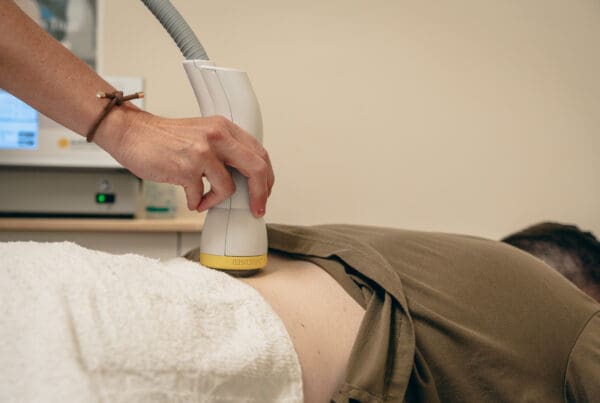
Gentle, Non-Surgical Relief for Back Pain, Sciatica & Disc Injuries
Back pain can affect every aspect of your life. Whether you’re struggling to sit comfortably at work, enjoy family activities, exercise, sleep through the night, or simply perform everyday tasks, chronic back pain can significantly reduce your quality of life. For many individuals, persistent neck pain, sciatica, herniated discs, and other spinal conditions become ongoing challenges that seem impossible to overcome.
The good news is that surgery and prescription medications are not always the only solutions. Many patients are discovering the benefits of spinal decompression therapy—a gentle, non-surgical treatment designed to reduce pressure on spinal discs and nerves while promoting the body’s natural healing process.
At Abundant Life Chiropractic Health Center in Chanhassen, MN, spinal decompression therapy is offered as part of a comprehensive approach to helping patients achieve long-term relief from chronic spinal conditions. By addressing the underlying causes of pain rather than simply masking symptoms, spinal decompression can help many individuals return to the activities they enjoy with greater comfort and confidence.
If you have been living with back pain, sciatica, disc injuries, or nerve-related discomfort, understanding how spinal decompression therapy works may help you determine whether it could be the right treatment option for your needs.
Understanding the Spine and Why Back Pain Occurs
The spine is one of the most important structures in the human body. It provides support, protects the spinal cord, and allows movement in virtually every daily activity. The spinal column consists of vertebrae separated by discs that act as cushions between the bones.
These spinal discs serve several important functions:
-
Absorb shock during movement
-
Provide flexibility
-
Maintain proper spacing between vertebrae
-
Protect spinal nerves
Over time, various factors can place excessive stress on these structures, including:
-
Poor posture
-
Repetitive movements
-
Heavy lifting
-
Sports injuries
-
Car accidents
-
Aging
-
Sedentary lifestyles
-
Excess body weight
When discs become damaged or begin to deteriorate, they may bulge, herniate, or lose their ability to properly cushion the spine. As a result, nearby nerves can become compressed, leading to pain, numbness, tingling, weakness, and limited mobility.
This is where spinal decompression therapy can play a valuable role.
Common Conditions Treated with Spinal Decompression Therapy
Many patients seek spinal decompression therapy because it can help address a wide range of spinal conditions.
Herniated Discs
A herniated disc occurs when the inner gel-like material pushes through the tougher outer layer of the disc. This can place pressure on surrounding nerves and cause significant discomfort.
Symptoms may include:
-
Back pain
-
Neck pain
-
Leg pain
-
Arm pain
-
Tingling sensations
-
Muscle weakness
Spinal decompression helps create negative pressure within the disc, which may encourage the disc material to move away from affected nerves.
Bulging Discs
Bulging discs occur when a disc extends beyond its normal boundaries without fully rupturing. While often less severe than herniations, bulging discs can still produce painful symptoms and nerve irritation.
Degenerative Disc Disease
As individuals age, spinal discs naturally lose hydration and elasticity. This process can contribute to chronic pain and reduced spinal function.
Spinal decompression may help improve nutrient exchange and circulation to affected discs.
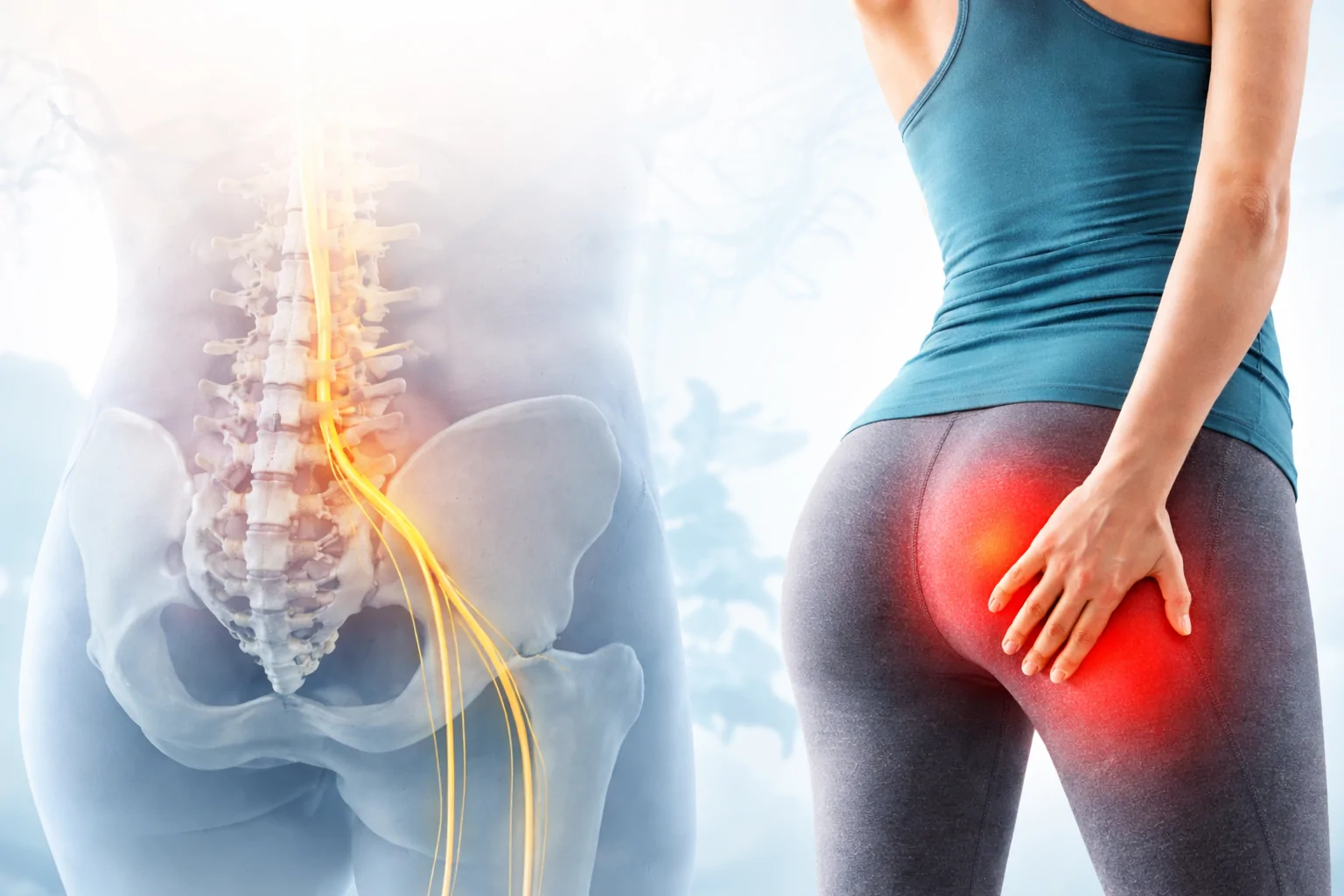
Sciatica
Sciatica is one of the most common reasons patients seek treatment.
The sciatic nerve is the largest nerve in the body and extends from the lower back through the hips and down each leg.
When this nerve becomes compressed, symptoms may include:
-
Shooting leg pain
-
Burning sensations
-
Numbness
-
Tingling
-
Weakness
By relieving pressure on spinal structures, decompression therapy may help reduce sciatic nerve irritation.
Pinched Nerves
Nerve compression can occur for various reasons, including disc injuries, spinal degeneration, and joint dysfunction.
Reducing pressure on affected nerves often leads to improved comfort and function.
Chronic Neck Pain
Although many people associate spinal decompression with low back pain, cervical decompression may also be beneficial for certain neck-related conditions.
What Is Spinal Decompression Therapy?
Spinal decompression therapy is a non-invasive treatment that uses specialized equipment to gently stretch the spine.
Unlike traditional traction methods, modern spinal decompression systems use advanced computerized technology to carefully control the force, angle, and duration of treatment.
The primary goal is to:
-
Reduce spinal pressure
-
Create negative pressure inside discs
-
Improve circulation
-
Encourage nutrient delivery
-
Support tissue repair
-
Relieve nerve compression
The treatment is designed to be comfortable and highly targeted.
Many patients report feeling relaxed during sessions.
The Science Behind Spinal Decompression
To understand why spinal decompression works, it helps to understand how spinal discs function.
Healthy discs rely on movement and circulation to receive nutrients and remove waste products. Because discs have limited direct blood supply, they depend heavily on surrounding structures for nourishment.
When discs become compressed, nutrient exchange may become compromised.
Spinal decompression creates a gentle separation between vertebrae that may:
-
Lower intradiscal pressure
-
Improve fluid movement
-
Increase oxygen delivery
-
Promote healing conditions
According to the National Institute of Neurological Disorders and Stroke (NINDS), many cases of chronic back pain are associated with structural spinal problems involving discs, joints, and nerves. Conservative treatment approaches often play a significant role in managing symptoms and restoring function.
What Happens During a Spinal Decompression Session?
Patients are often pleasantly surprised by how comfortable treatment feels.
A typical spinal decompression session involves:
Initial Evaluation
Before treatment begins, a thorough assessment is performed.
This may include:
-
Health history review
-
Physical examination
-
Orthopedic testing
-
Neurological assessment
-
Review of imaging studies
The goal is to determine whether spinal decompression is appropriate for your condition.
Preparing for Treatment
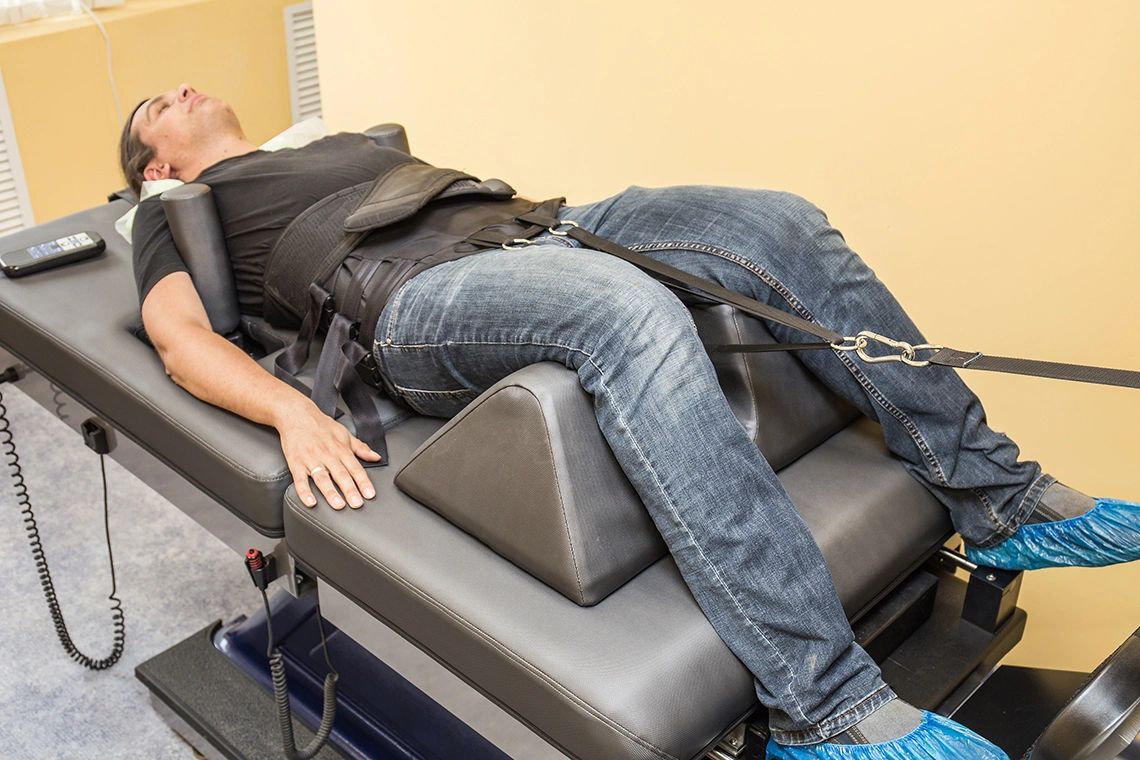
Patients lie comfortably on a specialized decompression table.
A harness system is secured around the pelvis or upper body depending on the area being treated.
Gentle Decompression Cycles
The computerized system applies controlled traction forces that alternate between stretching and relaxation phases.
This approach helps maximize effectiveness while maintaining comfort.
Post-Treatment Recommendations
Additional therapies may be recommended to support recovery, including:
-
Chiropractic adjustments
-
Corrective exercises
-
Stretching programs
-
Lifestyle recommendations
Most sessions last approximately 15 to 30 minutes.
Benefits of Choosing a Non-Surgical Treatment Option
One of the most appealing aspects of spinal decompression therapy is that it offers an alternative to more invasive procedures.
No Surgery Required
Surgery often involves:
-
Anesthesia
-
Recovery periods
-
Potential complications
-
Time away from work
Spinal decompression avoids these concerns.
Drug-Free Pain Relief
Many patients prefer to minimize reliance on pain medications whenever possible.
Spinal decompression focuses on addressing underlying mechanical causes of pain.
Minimal Downtime
Most patients return to normal daily activities immediately after treatment.
Improved Mobility
Reducing nerve pressure often helps patients move more comfortably and confidently.
Supports Long-Term Healing
Rather than masking symptoms, decompression creates conditions that may support tissue recovery and spinal health.
Why Patients in Chanhassen Seek Spinal Decompression Therapy
Residents throughout Chanhassen and surrounding communities often experience spinal issues related to modern lifestyles.
Common contributing factors include:
-
Long hours sitting at desks
-
Frequent driving
-
Physically demanding jobs
-
Athletic activities
-
Poor posture
-
Repetitive movements
As these stresses accumulate over time, spinal structures may become strained or damaged.
Many individuals are seeking natural treatment options that focus on long-term wellness rather than temporary symptom relief.
Spinal decompression offers a solution that aligns with these goals.
Combining Spinal Decompression with Chiropractic Care
At Abundant Life Chiropractic Health Center, spinal decompression is often integrated into a broader treatment plan.
Combining therapies may enhance results by addressing multiple aspects of spinal health.
Chiropractic Adjustments
Chiropractic adjustments help improve joint mobility and spinal alignment.
Corrective Exercises
Exercises strengthen muscles that support the spine.
Postural Training
Poor posture contributes significantly to spinal stress.
Patients learn strategies to reduce strain during work and daily activities.
Lifestyle Counseling
Healthy habits often play a major role in preventing recurring spinal issues.
Who May Be a Good Candidate?
Spinal decompression therapy may be appropriate for individuals experiencing:
-
Herniated discs
-
Bulging discs
-
Degenerative disc disease
-
Sciatica
-
Chronic low back pain
-
Neck pain
-
Pinched nerves
-
Radiating arm or leg pain
However, not every patient is a candidate.
A professional evaluation is necessary to determine the safest and most effective treatment approach.
The Importance of Early Intervention
Many people delay seeking treatment because they hope symptoms will improve on their own.
Unfortunately, untreated spinal problems may worsen over time.
Potential consequences include:
-
Chronic pain
-
Reduced mobility
-
Increased inflammation
-
Nerve damage
-
Muscle weakness
-
Decreased quality of life
Seeking care early may help prevent complications and improve recovery outcomes.
Long-Term Strategies for Maintaining a Healthy Spine
Spinal decompression therapy can be highly effective in reducing pain, relieving nerve pressure, and improving overall spinal function. However, achieving long-lasting results often requires a commitment to maintaining your spinal health beyond the treatment room. While spinal decompression can help create an environment that supports healing, daily habits and lifestyle choices play a significant role in preserving those improvements.
Practicing good posture, staying physically active, maintaining a healthy weight, and following a consistent exercise routine can help reduce stress on the spine and prevent future injuries. Strengthening the core muscles that support the back is especially important, as these muscles help stabilize the spine and promote proper movement. Additionally, using proper lifting techniques, taking regular breaks from prolonged sitting, and creating an ergonomic workspace can further protect your spinal health.
By combining spinal decompression therapy with healthy lifestyle habits and ongoing chiropractic care when recommended, many patients can enjoy lasting relief, improved mobility, and a better quality of life for years to come.
Stay Active
Regular movement helps maintain flexibility and circulation.
Practice Proper Posture
Good posture reduces unnecessary stress on spinal structures.
Lift Correctly
Using proper lifting mechanics can help prevent injuries.
Maintain a Healthy Weight
Excess weight places additional strain on the spine.
Strengthen Core Muscles
Strong core muscles provide support and stability.
Follow Professional Recommendations
Patients who follow prescribed exercise and wellness plans often experience better long-term results.
Why Choose Abundant Life Chiropractic Health Center?
Choosing the right provider is an important step toward recovery.
At Abundant Life Chiropractic Health Center, patients receive individualized care designed to address their specific needs and goals.
Benefits include:
-
Comprehensive evaluations
-
Personalized treatment plans
-
Advanced spinal decompression technology
-
Patient-focused care
-
Chiropractic expertise
-
Commitment to long-term wellness
The team works closely with patients to identify the root causes of discomfort and develop effective treatment strategies.
Frequently Asked Questions
Is spinal decompression therapy painful?
Most patients find treatment comfortable and relaxing. The therapy uses gentle, controlled movements designed to minimize discomfort.
How many sessions will I need?
Treatment plans vary depending on the severity and duration of symptoms.
Can spinal decompression help sciatica?
Many patients with sciatica experience improvement because decompression helps reduce pressure on affected nerves.
Is the treatment safe?
When performed by trained professionals and after proper evaluation, spinal decompression is generally considered safe for appropriate candidates.
Can spinal decompression help avoid surgery?
While every case is unique, many patients seek spinal decompression as a conservative treatment option before considering surgical intervention.
How long does each treatment session last?
Most sessions take approximately 15 to 30 minutes.
Can spinal decompression treat neck pain?
Yes. Cervical spinal decompression may be recommended for certain neck-related conditions.
How soon will I notice results?
Some patients notice improvement within a few sessions, while others experience gradual progress over time.
Conclusion
Here’s a revised conclusion expanded to approximately 150 words:
Chronic back pain, sciatica, herniated discs, and other spinal conditions can significantly affect your ability to work, stay active, enjoy hobbies, and maintain a high quality of life. When pain becomes a daily struggle, it can be frustrating to feel limited by your symptoms. Fortunately, surgery and long-term medication use are not always the only options available.
Spinal decompression therapy offers a gentle, non-invasive solution designed to address the root causes of many spinal issues. By reducing pressure on compressed discs and nerves, improving circulation, and encouraging the body’s natural healing processes, this treatment may help relieve pain, improve mobility, and support long-term spinal health. Many patients appreciate that it is drug-free, comfortable, and tailored to their specific needs.
If you’re looking for a conservative approach to managing chronic back or neck pain, spinal decompression therapy may be the effective, lasting solution you’ve been searching for.
If you’re tired of living with back pain, sciatica, disc injuries, or nerve-related discomfort, now is the time to explore your treatment options.
Abundant Life Chiropractic Health Center
📞 Phone: (952) 300-8338
📧 Email: ca@abundantlifechiropractor.com
📍 Address: 7945 Stone Creek Drive #120, Chanhassen, MN
🌐 Website: https://abundantlifechiropractor.com/
Schedule your consultation today and discover how gentle, non-surgical spinal decompression therapy can help you move, feel, and live better.