Break Free from Neuropathy Pain with Advanced, Non-Surgical Care

Neuropathy affects millions of people and is one of the most common causes of chronic pain, numbness, tingling, and weakness in the hands and feet. For many individuals, these symptoms start gradually and may seem like a minor inconvenience. Over time, however, neuropathy can interfere with daily activities, limit mobility, affect sleep, and significantly reduce overall quality of life.
Many people living with neuropathy are told that their condition is something they simply have to manage. While medications may temporarily reduce discomfort, they often do not address the underlying causes of nerve damage. As a result, symptoms can continue to progress, making it increasingly difficult to enjoy an active and independent lifestyle.
Fortunately, advances in healthcare have created new opportunities for individuals seeking relief from neuropathy. Modern, non-surgical treatment approaches focus on supporting nerve health, improving circulation, reducing inflammation, and addressing the factors that contribute to nerve dysfunction. Rather than masking symptoms, these therapies aim to help the body function more efficiently and support long-term wellness.
At Abundant Life Chiropractic Health Center, patients have access to advanced, evidence-based neuropathy care designed to help identify the root causes of nerve-related symptoms and create personalized treatment plans that support healing and improved function. Through comprehensive evaluations and customized care, many individuals are discovering new hope for lasting relief.
What Is Neuropathy?
Neuropathy, often referred to as peripheral neuropathy, occurs when nerves outside of the brain and spinal cord become damaged or dysfunctional. These peripheral nerves play a critical role in transmitting information between the central nervous system and the rest of the body.
When nerves are healthy, they carry messages efficiently. When they become damaged, communication can become disrupted, resulting in a wide variety of symptoms.
Peripheral nerves are responsible for:
-
Relaying sensory information such as touch, temperature, and pain
-
Controlling muscle movement
-
Regulating certain automatic bodily functions
-
Maintaining balance and coordination
Because nerves perform so many important functions, damage can affect nearly every aspect of daily life.
Common Symptoms of Neuropathy
Neuropathy symptoms vary depending on which nerves are affected and the severity of the damage. Some individuals experience mild discomfort, while others struggle with debilitating pain and mobility challenges.
Common symptoms include:
Tingling and Pins-and-Needles Sensations
Many people first notice a tingling sensation in their feet or hands. This feeling may come and go initially but often becomes more frequent over time.
Numbness
As nerve damage progresses, sensation may decrease. Individuals may have difficulty feeling temperature changes, pressure, or injuries.
Burning Pain
Neuropathy frequently causes burning sensations that can range from mild irritation to severe discomfort.
Sharp or Stabbing Pain
Some individuals experience sudden shooting pains that occur without warning.
Muscle Weakness
Damaged nerves can affect muscle function, making it difficult to walk, lift objects, or perform routine activities.
Balance Problems
Reduced sensation in the feet can increase the risk of falls and make walking more challenging.
Sensitivity to Touch
Even light contact with clothing or bedding may cause discomfort for some individuals.
Difficulty Sleeping
Neuropathy symptoms often worsen at night, making restful sleep difficult.
What Causes Neuropathy?
Neuropathy can result from many different underlying conditions. Identifying these causes is a critical step in developing an effective treatment plan.
Diabetes
Diabetes is one of the leading causes of peripheral neuropathy. Elevated blood sugar levels can damage the small blood vessels that nourish nerves, resulting in gradual nerve deterioration.
Poor Circulation
Healthy nerves require adequate blood flow to receive oxygen and nutrients. Reduced circulation can contribute to nerve damage and slow healing.
Injuries and Trauma
Physical injuries can directly damage nerves or create structural problems that place pressure on nerve pathways.
Chemotherapy
Certain cancer treatments may cause nerve damage as a side effect.
Autoimmune Disorders
Some autoimmune conditions attack healthy nerve tissue, resulting in inflammation and dysfunction.
Nutritional Deficiencies
Deficiencies in essential vitamins, particularly B vitamins, can negatively impact nerve health.
Chronic Inflammation
Long-term inflammation can create an environment that contributes to nerve irritation and damage.
Spinal Conditions
Disc injuries, degeneration, and spinal misalignments may interfere with nerve communication and contribute to neuropathic symptoms.
Why Neuropathy Should Not Be Ignored
One of the biggest misconceptions about neuropathy is that it is simply a normal part of aging. While age may increase risk factors, neuropathy itself is not a normal condition and should not be ignored.
Without appropriate intervention, neuropathy may continue to worsen. Progressive nerve damage can lead to:
-
Increased pain
-
Greater loss of sensation
-
Difficulty walking
-
Reduced independence
-
Increased fall risk
-
Chronic mobility challenges
Early diagnosis and treatment often provide the best opportunity for improving outcomes and slowing progression.
Traditional Treatment Approaches
Conventional treatment options frequently focus on symptom management rather than addressing underlying causes.
These approaches may include:
-
Prescription medications
-
Pain relievers
-
Anti-inflammatory medications
-
Topical creams
-
Lifestyle recommendations
While these strategies may provide temporary relief, many individuals continue to experience symptoms because the root causes of nerve dysfunction remain unaddressed.
A Modern, Non-Surgical Approach to Neuropathy Care
Modern neuropathy treatment emphasizes a comprehensive approach designed to support overall nerve health.
Rather than focusing solely on symptom suppression, advanced care programs often seek to:
-
Improve circulation
-
Enhance nerve communication
-
Reduce inflammation
-
Address structural issues
-
Support tissue healing
-
Promote long-term wellness
At Abundant Life Chiropractic Health Center, neuropathy treatment plans are customized to each individual’s unique needs, symptoms, and underlying health concerns.
The Importance of Comprehensive Evaluations
No two neuropathy cases are exactly alike.
A thorough evaluation helps determine:
-
The severity of nerve damage
-
Potential contributing factors
-
Functional limitations
-
Areas of nerve involvement
-
Treatment priorities
This personalized approach helps ensure that care is targeted and effective.
Improving Circulation for Better Nerve Health
Circulation plays a vital role in nerve function.
Nerves depend on a continuous supply of oxygen and nutrients delivered through the bloodstream. When circulation becomes compromised, nerve tissues may struggle to repair themselves and maintain normal function.
Improving circulation may help:
-
Deliver nutrients to damaged nerves
-
Support tissue healing
-
Reduce inflammation
-
Improve sensation
-
Enhance recovery potential
This is one reason many modern neuropathy treatment programs incorporate therapies designed to support healthy blood flow.
Supporting Nerve Regeneration
The body possesses remarkable healing abilities when provided with the proper support.
Advanced neuropathy treatments often focus on creating conditions that encourage nerve repair and regeneration.
Potential goals include:
-
Stimulating healthy nerve activity
-
Enhancing communication pathways
-
Supporting cellular function
-
Promoting long-term nerve health
While every patient’s experience is unique, many individuals report improvements in sensation, comfort, and function when comprehensive care addresses these factors.
Addressing Structural Factors
The nervous system functions as an interconnected network.
Structural imbalances affecting the spine, joints, and surrounding tissues may contribute to nerve irritation or dysfunction.
Correcting these issues may help:
-
Reduce pressure on nerves
-
Improve communication throughout the nervous system
-
Enhance movement patterns
-
Support overall function
A structural evaluation can help identify potential contributing factors that may otherwise go unnoticed.
Advanced Technologies Used in Neuropathy Care
Modern healthcare technologies have expanded the options available for individuals seeking non-surgical neuropathy treatment.
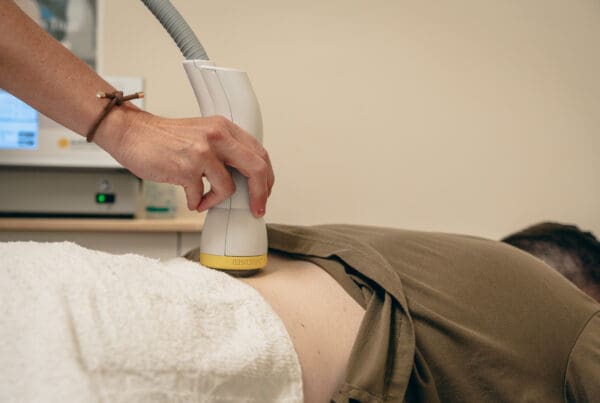
Light Therapy
Therapeutic light technologies are designed to stimulate cellular activity and support healing.
Potential benefits may include:
-
Improved circulation
-
Reduced inflammation
-
Enhanced tissue repair
-
Better cellular function
Electrical Stimulation
Electrical stimulation therapies can help activate nerves and encourage healthy communication between the nervous system and affected tissues.
Potential benefits include:
-
Improved nerve signaling
-
Enhanced muscle activation
-
Better sensory awareness
-
Increased functional capacity
Regenerative Technologies
Emerging regenerative therapies focus on stimulating the body’s natural healing mechanisms.
These approaches may help:
-
Promote tissue repair
-
Support circulation
-
Reduce inflammation
-
Encourage healthier nerve function
Lifestyle Habits That Support Neuropathy Recovery
Professional treatment is often most effective when combined with healthy lifestyle choices.
Eat a Nutrient-Rich Diet
Nutrition provides the building blocks necessary for nerve health.
Foods rich in vitamins, minerals, antioxidants, and healthy fats may support overall nervous system function.
Stay Active
Regular movement encourages circulation and helps maintain strength and mobility.
Even low-impact activities such as walking can provide meaningful benefits.
Manage Blood Sugar Levels
For individuals with diabetes, blood sugar control is one of the most important steps in protecting nerve health.
Maintain a Healthy Weight
Excess weight may contribute to inflammation and place additional stress on the body.
Prioritize Sleep
Quality sleep supports healing and allows the body to perform important restorative functions.
Reduce Stress
Chronic stress can contribute to inflammation and interfere with recovery processes.
Benefits of Non-Surgical Neuropathy Treatment
Many patients prefer non-surgical treatment options because they offer several potential advantages.
Benefits may include:
-
Drug-free treatment options
-
Personalized care plans
-
Improved circulation
-
Enhanced mobility
-
Better balance
-
Reduced discomfort
-
Support for long-term wellness
-
Minimal downtime
These advantages make non-surgical care an appealing choice for many individuals seeking relief.
The Importance of Consistency
Neuropathy rarely develops overnight. In most cases, nerve damage progresses gradually, which is why a consistent and comprehensive treatment approach is often essential for achieving meaningful results. Patients who follow their recommended care plans, attend scheduled treatments, maintain healthy lifestyle habits, and actively participate in their recovery often experience better outcomes than those seeking quick fixes. Supporting nerve health requires time, patience, and ongoing effort. By focusing on long-term wellness through proper nutrition, regular physical activity, blood sugar management, and professional care, individuals can help improve nerve function, reduce symptoms, and enhance their overall quality of life.
Consistency helps support:
-
Ongoing nerve recovery
-
Improved circulation
-
Reduced inflammation
-
Better long-term results
Frequently Asked Questions
What is the most common cause of neuropathy?
Diabetes is one of the leading causes of peripheral neuropathy, although many other conditions can contribute to nerve damage.
Can neuropathy go away on its own?
In some cases, addressing the underlying cause may improve symptoms. However, many cases require professional evaluation and treatment.
Is neuropathy permanent?
The answer depends on the cause, severity, and duration of nerve damage. Early intervention often provides the best opportunity for improvement.
What are the first signs of neuropathy?
Early symptoms commonly include tingling, numbness, burning sensations, or unusual sensitivity in the hands and feet.
Can poor circulation cause neuropathy?
Poor circulation can contribute to nerve dysfunction by limiting the delivery of oxygen and nutrients needed for healthy nerve function.
Is non-surgical neuropathy treatment safe?
Many modern therapies are non-invasive and designed to support natural healing without surgery.
How long does neuropathy treatment take?
Treatment timelines vary based on individual circumstances, underlying causes, and the severity of symptoms.
Can chiropractic care help neuropathy?
Chiropractic care may help address structural factors affecting the nervous system and is often incorporated into comprehensive neuropathy treatment programs.
Learn More About Neuropathy Treatment
For additional information about neuropathy care and treatment options, explore these resources:
Conclusion
Neuropathy can have a significant impact on every aspect of daily life, from mobility and comfort to independence and overall well-being. While traditional approaches often focus primarily on managing symptoms, modern non-surgical treatment strategies seek to address the underlying causes of nerve dysfunction and support long-term healing.
Through comprehensive evaluations, personalized treatment plans, advanced technologies, and healthy lifestyle habits, many individuals are finding meaningful relief from neuropathy symptoms and improving their quality of life. Early intervention, consistency, and a commitment to overall wellness can make a significant difference in long-term outcomes.
If you are experiencing numbness, tingling, burning pain, weakness, or balance problems, seeking professional evaluation may be an important first step toward restoring comfort and function.
Neuropathy rarely develops overnight. In most cases, nerve damage progresses gradually, which is why a consistent and comprehensive treatment approach is often essential for achieving meaningful results. Patients who follow their recommended care plans, attend scheduled treatments, maintain healthy lifestyle habits, and actively participate in their recovery often experience better outcomes than those seeking quick fixes. Supporting nerve health requires time, patience, and ongoing effort. By focusing on long-term wellness through proper nutrition, regular physical activity, blood sugar management, and professional care, individuals can help improve nerve function, reduce symptoms, and enhance their overall quality of life.
Abundant Life Chiropractic Health Center
Phone: (952) 300-8338
Email: ca@abundantlifechiropractor.com
Address: 7945 Stone Creek Drive #120, Chanhassen, MN 55317
Website: abundantlifechiropractor.com
Contact our team today to schedule a consultation and learn how advanced, evidence-based neuropathy care may help you regain comfort, mobility, and confidence.