Why Neuropathy Symptoms Get Worse at Night and What You Can Do About It

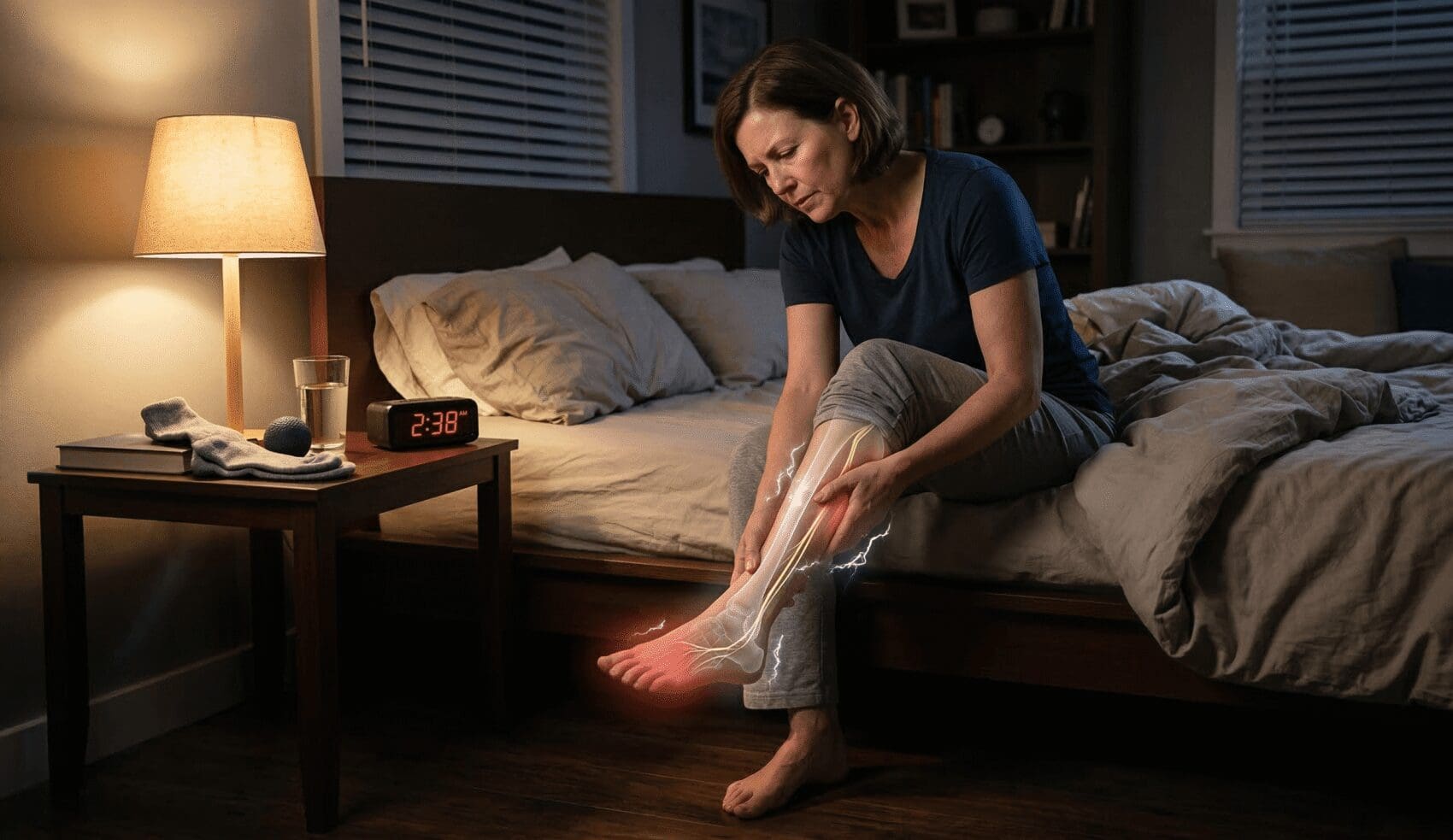
Neuropathy symptoms can become especially frustrating at night. Burning, tingling, numbness, sharp pain, or unusual sensitivity in the feet and hands may seem manageable during the day but become much more noticeable when you are trying to relax or sleep. Over time, disrupted sleep can affect energy, concentration, mood, mobility, and overall quality of life.
Peripheral neuropathy occurs when nerves outside the brain and spinal cord become damaged or impaired. Symptoms commonly include numbness, tingling, burning or stabbing pain, sensitivity to touch, weakness, and balance problems. Diabetes is one of the most common causes, but injuries, certain medications, vitamin deficiencies, autoimmune conditions, metabolic disorders, and other factors can also contribute.
At Abundant Life Chiropractic, we understand that persistent nerve symptoms deserve careful attention. Our goal is to provide personalized care that considers your symptoms, health history, lifestyle, and individual needs while helping you pursue better comfort and function.
What Is Peripheral Neuropathy?
Peripheral neuropathy refers to damage or dysfunction involving nerves outside the brain and spinal cord. These nerves communicate information between the central nervous system and the rest of the body.
Peripheral nerves generally fall into three categories:
-
Sensory nerves help the body detect touch, temperature, vibration, and pain.
-
Motor nerves control muscle movement.
-
Autonomic nerves regulate automatic functions such as digestion, sweating, blood pressure, and heart rate.
When these nerves become damaged, communication between the brain and body can become disrupted. This may result in abnormal sensations, pain, weakness, or changes in movement and balance.
Common symptoms include:
-
Numbness
-
Tingling
-
Burning sensations
-
Sharp or stabbing pain
-
Electric-shock-like sensations
-
Increased sensitivity to touch
-
Muscle weakness
-
Muscle cramps
-
Balance problems
-
Reduced coordination
-
Difficulty sensing temperature
-
A feeling of wearing gloves or socks when none are present
Symptoms may begin gradually and become more noticeable over time. Seek medical care when tingling, weakness, or pain develops in the hands or feet because early diagnosis may help with management and prevention of additional nerve damage.
Why Do Neuropathy Symptoms Get Worse at Night?
Many people with neuropathy notice that symptoms become stronger or more bothersome at night. There may not be one single explanation. Several factors can contribute to increased nighttime discomfort.
Fewer Distractions
During the day, your attention is focused on work, conversations, household responsibilities, exercise, driving, and other activities. These distractions can make nerve sensations less noticeable.
At night, the environment becomes quieter. When you lie down and have fewer activities competing for your attention, burning, tingling, or numbness may become much more obvious.
The symptoms are not necessarily new. You may simply become more aware of sensations that were present throughout the day.
Changes in Temperature
Body temperature naturally changes throughout the day. Temperature changes may affect how damaged or irritated nerves respond to sensory information.
Some people notice that their feet or hands feel more uncomfortable when the temperature changes at night. Others may find that blankets or light contact against sensitive skin increase discomfort.
Sleep and Pain Can Create a Cycle
Neuropathy can interfere with sleep, while inadequate sleep can make discomfort harder to tolerate.
A difficult night may lead to fatigue the next day. Fatigue can make physical activity and normal routines more challenging, potentially creating another cycle of poor sleep and increased discomfort.
Addressing both nerve symptoms and sleep habits can therefore be an important part of overall wellness.
Stress and Relaxation
Stress can influence how the nervous system processes pain and discomfort. During the day, responsibilities may keep your mind occupied. At night, worries and physical sensations may become more noticeable.
Relaxation techniques, consistent sleep habits, and appropriate physical activity may help support better nighttime comfort.
Common Causes of Neuropathy
Neuropathy can have many different causes. Understanding the potential source of symptoms is important because treatment depends on the underlying problem.
Diabetes
Diabetes is one of the most common causes of peripheral neuropathy. Long-term elevated blood sugar can damage nerves and the small blood vessels that supply them.
Diabetic neuropathy often begins in the feet and legs and may later affect the hands and arms.
Nerve Injury or Pressure
Physical injuries can damage peripheral nerves. Falls, accidents, sports injuries, repetitive movements, and prolonged pressure may contribute to nerve dysfunction.
Vitamin Deficiencies
Certain vitamins and nutrients are important for healthy nerve function. Low levels of nutrients such as vitamin B12 can contribute to neuropathy in some individuals.
Certain Medications
Some medications, particularly certain chemotherapy drugs, can cause peripheral nerve damage.
Alcohol Use
Long-term excessive alcohol use may contribute to neuropathy through direct nerve effects and nutritional deficiencies.
Autoimmune Conditions
Certain autoimmune diseases can affect peripheral nerves and contribute to nerve dysfunction.
Metabolic Conditions
Kidney disease, liver disease, thyroid disorders, and other metabolic conditions may contribute to peripheral nerve problems.
Unknown Causes
Sometimes a specific cause cannot be identified. This is known as idiopathic peripheral neuropathy.
Because neuropathy has many potential causes, persistent symptoms should be evaluated rather than automatically attributed to aging.
Why Early Evaluation Matters
Early attention to neuropathy symptoms can be important. Some causes can be treated or managed, and addressing the underlying problem may help prevent additional nerve damage.
Cleveland Clinic explains that some types of neuropathy may be stopped or reversed when diagnosed and treated quickly.
Evaluation may include reviewing your symptoms, health history, medications, lifestyle, and potential risk factors. Depending on your situation, a medical professional may recommend blood tests, neurological examinations, imaging, or nerve-related testing.
MedlinePlus notes that peripheral nerve disorders can cause pain, walking difficulties, and other problems depending on which nerves are affected.
How Neuropathy Can Affect Sleep
Nighttime neuropathy can make falling asleep and staying asleep difficult.
Burning feet, tingling sensations, numbness, or sensitivity to touch may make even comfortable bedding feel irritating. Repeatedly waking during the night can leave you tired the next morning.
Poor sleep may affect:
-
Energy
-
Concentration
-
Mood
-
Work performance
-
Physical activity
-
Stress levels
-
Overall quality of life
For this reason, nighttime symptoms should not simply be ignored. If neuropathy repeatedly interferes with sleep, discussing the problem with a qualified healthcare professional is important.
What You Can Do About Nighttime Symptoms
Management depends on the underlying cause and individual circumstances. Several healthy habits may complement professional care.
Identify the Underlying Cause
Understanding why your symptoms are occurring is an important first step. Diabetes, nerve compression, injury, vitamin deficiencies, medications, and other health conditions may require different approaches.
Maintain Healthy Blood Sugar
For individuals with diabetes, following their healthcare provider’s recommendations for blood sugar management can help protect nerve health.
Stay Physically Active
Appropriate physical activity can support circulation, strength, balance, and mobility. Exercise should be adapted to your current abilities, especially if neuropathy affects balance or sensation.
Protect Your Feet
Reduced sensation can make injuries easier to overlook. Regularly inspect your feet for:
-
Cuts
-
Blisters
-
Redness
-
Swelling
-
Sores
-
Skin irritation
Comfortable, properly fitting footwear can also help protect areas with reduced sensation.
Establish a Consistent Sleep Routine
A regular bedtime routine may help your body prepare for sleep.
Consider:
-
Going to bed and waking at consistent times.
-
Keeping your bedroom comfortable.
-
Limiting stimulating activities before bedtime.
-
Practicing relaxation techniques.
-
Avoiding excessive caffeine later in the day.
Manage Stress
Deep breathing, gentle stretching, meditation, and other relaxation strategies may help you unwind before bed.
Discuss Persistent Symptoms
If burning, numbness, tingling, or pain continues or worsens, seek professional evaluation. Persistent symptoms may indicate an underlying condition that requires attention.
Neuropathy Care at Abundant Life Chiropractic
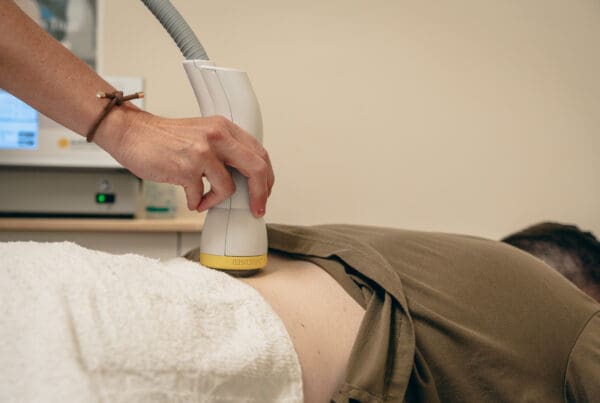
At Abundant Life Chiropractic, we take a personalized approach to patients experiencing neuropathy symptoms. Care is designed around individual symptoms, health considerations, and treatment goals rather than assuming every patient has the same cause or needs.
Our approach may incorporate different therapies and wellness strategies as appropriate for the individual. The goal is to help patients pursue improved comfort, mobility, balance, and quality of life.
You can also explore our services to learn more about available treatment options.
Why Personalized Care Matters
Neuropathy can affect people differently. Two individuals may experience similar burning or tingling sensations while having completely different underlying causes.
For example, one person’s symptoms may be related to diabetes, while another person’s symptoms could involve an injury, medication, nutritional deficiency, or another health condition.
Personalized care allows the patient’s symptoms and health history to guide the treatment discussion.
At Abundant Life Chiropractic, our team focuses on understanding each patient’s concerns and developing care around individual needs.
When Should You Seek Professional Help?
Persistent or worsening neuropathy symptoms deserve attention.
Consider seeking professional evaluation if you experience:
-
Increasing numbness
-
Persistent tingling
-
Burning pain
-
Muscle weakness
-
Balance difficulties
-
Difficulty walking
-
Loss of coordination
-
Changes in sensation
-
Symptoms that repeatedly interfere with sleep
-
Unexplained symptoms in your hands or feet
Medical evaluation for tingling, weakness, or pain involving the hands or feet because early diagnosis and treatment may help manage symptoms and prevent additional nerve damage.
Sudden severe weakness, facial drooping, difficulty speaking, or other emergency neurological symptoms require immediate medical attention.
Frequently Asked Questions
Why are neuropathy symptoms worse at night?
Symptoms may feel worse at night because there are fewer distractions, changes in temperature may affect sensations, and sleep disruption or stress can influence how discomfort is experienced.
Is nighttime neuropathy always caused by diabetes?
No. Diabetes is a common cause, but injuries, nerve pressure, vitamin deficiencies, medications, autoimmune diseases, metabolic disorders, and other conditions can also contribute.
Can neuropathy affect sleep?
Yes. Burning, tingling, numbness, and sensitivity can make it difficult to fall asleep or remain asleep.
Can neuropathy be reversed?
The outlook depends on the underlying cause. Some forms may improve when the cause is identified and treated, while other nerve damage may be more difficult to reverse.
Can chiropractic care help neuropathy?
Chiropractic care may be considered as part of a comprehensive approach for appropriate patients, particularly when musculoskeletal factors may contribute to symptoms. However, neuropathy has many potential causes, so proper evaluation remains important.
How long does neuropathy treatment take?
There is no universal timeline. Recovery and symptom management depend on the cause, severity, duration, overall health, and individual response to care.
Should mild tingling be ignored?
No. Occasional tingling may have a simple cause, but recurring or persistent symptoms should be evaluated to determine why they are occurring.
Conclusion
Neuropathy symptoms can become particularly frustrating at night. Burning, tingling, numbness, sensitivity, and pain may interfere with sleep and affect your energy and quality of life the following day.
While nighttime symptoms can be influenced by reduced distractions, temperature changes, stress, and sleep disruption, the underlying cause should not be overlooked. Peripheral neuropathy can result from diabetes, injuries, vitamin deficiencies, medications, autoimmune conditions, metabolic disorders, and other factors.
Early evaluation can help identify potential contributing factors and guide appropriate management. If symptoms are persistent, worsening, or interfering with your sleep or daily activities, talking with a qualified healthcare professional is an important step.
At Abundant Life Chiropractic, we are committed to providing personalized care focused on your individual symptoms and health goals.
If nighttime neuropathy is affecting your sleep, mobility, or daily life, don’t continue ignoring the symptoms. Contact us to schedule your appointment, discuss your concerns and learn more about available care with our team.
Abundant Life Chiropractic
Phone: (952) 300-8338
Email: pcc@abundantlifechiropractor.com
Address: 7945 Stone Creek Drive #120, Chanhassen, MN
Website: abundantlifechiropractor.com