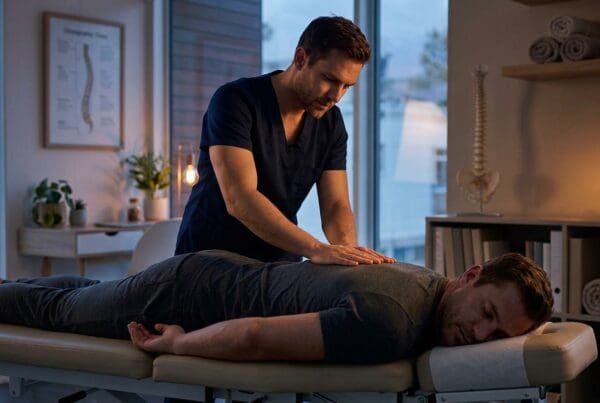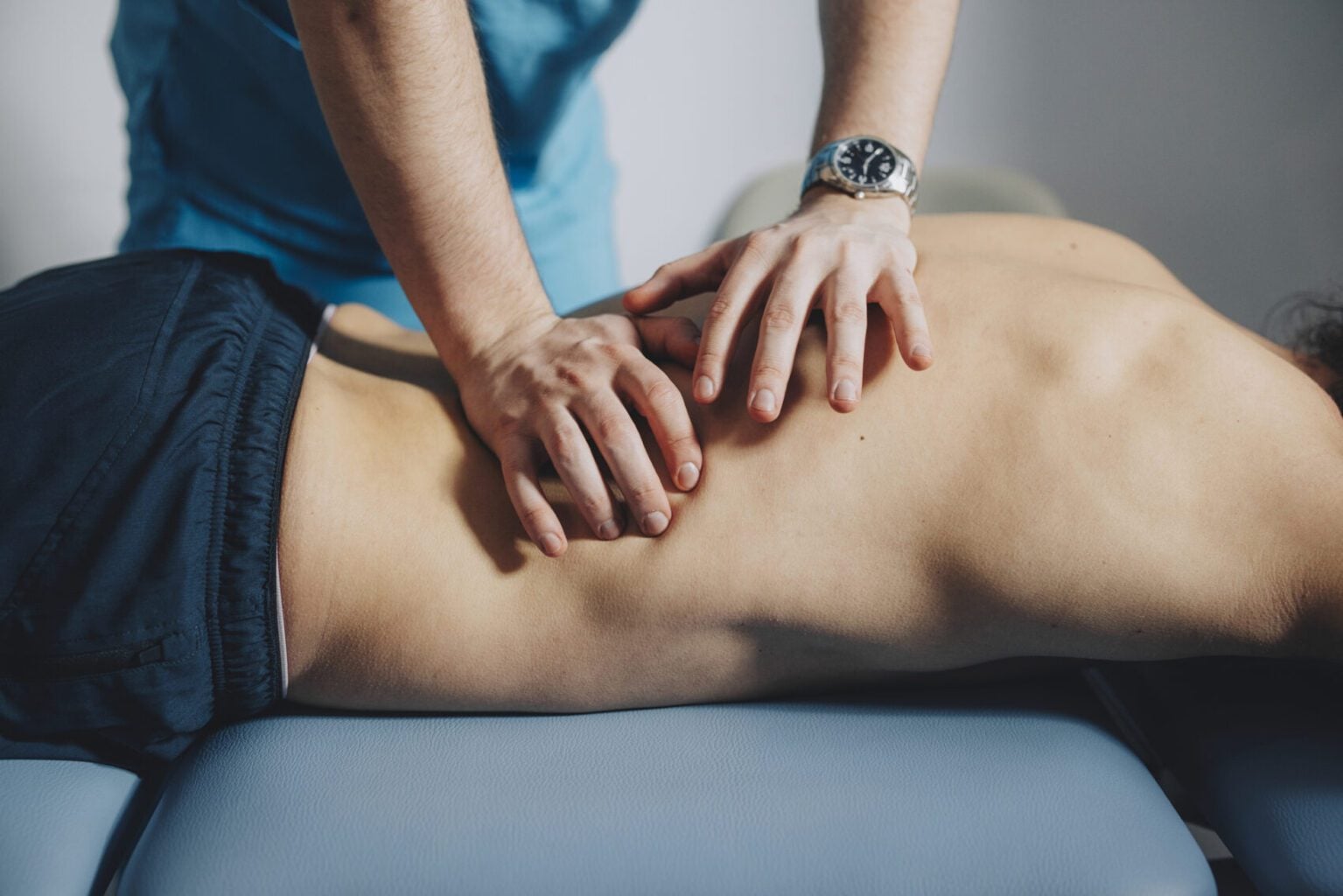
Therapeutic Massage for Pain Relief, Injury Recovery & Total Body Wellness

Therapeutic massage is one of the most widely used and clinically supported forms of manual therapy for reducing pain, improving mobility, and enhancing overall whole-body wellness. Unlike relaxation massage, which is primarily focused on stress reduction and general comfort, therapeutic massage is designed with specific clinical goals in mind, such as addressing musculoskeletal dysfunctions, healing soft tissue injuries, and managing chronic pain conditions. It targets deeper layers of muscles, fascia, and connective tissues to restore proper function and relieve physical restrictions that may limit movement or contribute to discomfort.
In modern healthcare environments, therapeutic massage is often integrated into multidisciplinary treatment plans alongside chiropractic care, physical rehabilitation, and corrective exercise therapy. This combined approach helps improve recovery speed, reduce inflammation, and support long-term musculoskeletal health. It is commonly used by athletes recovering from sports injuries, office workers dealing with posture-related strain, seniors managing age-related stiffness, and individuals coping with chronic pain conditions such as back pain, neck tension, or sciatica.
By improving circulation, reducing muscle tension, and supporting nervous system regulation, therapeutic massage contributes to faster healing and improved physical performance. This guide explores its mechanisms, benefits, techniques, and role in promoting total body wellness.
Understanding Therapeutic Massage
Therapeutic massage is a structured, goal-oriented form of manual therapy that focuses on treating muscles, fascia, ligaments, and tendons to restore normal function and reduce pain. Unlike relaxation massage, its primary aim is not comfort alone but improving mobility, supporting recovery, and enhancing physical performance. By applying targeted pressure and specialized techniques, it helps relieve tension, improve circulation, and address musculoskeletal imbalances that contribute to discomfort and dysfunction.
According to the Cleveland Clinic, massage therapy can serve as an effective complementary treatment for pain, stress, and certain musculoskeletal conditions when combined with conventional medical care.
Therapeutic massage is often personalized based on:
-
The patient’s injury or condition
-
Pain level and location
-
Mobility restrictions
-
Medical history
-
Lifestyle factors
Each session is adapted to support healing and functional recovery.
How Therapeutic Massage Works in the Body
Therapeutic massage produces a wide range of physiological effects that positively influence the muscles, circulatory system, lymphatic system, and nervous system. Through targeted manual techniques, it helps release muscle tension, improve tissue elasticity, and reduce stiffness in affected areas. At the same time, it enhances blood circulation, allowing oxygen and essential nutrients to reach damaged or overworked tissues more efficiently, which supports the body’s natural healing processes. It also stimulates lymphatic flow, helping reduce inflammation and remove metabolic waste from the body. Additionally, therapeutic massage regulates the nervous system by reducing stress responses, lowering cortisol levels, and promoting a state of relaxation and recovery.
1. Muscle Relaxation and Tissue Release
When muscles become tight or overworked, they can develop trigger points and adhesions that restrict movement and cause discomfort. Therapeutic massage uses targeted pressure techniques to release these tight areas, improve tissue flexibility, and restore normal muscle function. This helps reduce pain, enhance mobility, and support overall muscular balance and recovery.
2. Improved Blood Flow
Massage improves circulation, allowing oxygen and essential nutrients to reach damaged tissues more efficiently. This enhanced blood flow supports the body’s natural healing processes, speeds up tissue repair, and helps reduce muscle fatigue. It also assists in clearing metabolic waste, promoting quicker recovery and improved overall muscle function and performance.
3. Lymphatic Drainage and Reduced Swelling
The lymphatic system plays a key role in removing waste and toxins from the body, and therapeutic massage helps stimulate lymph flow. This improved circulation supports the reduction of inflammation and swelling in injured tissues, while also enhancing the body’s natural healing processes and promoting faster, more efficient recovery overall.
4. Nervous System Regulation
Therapeutic massage helps shift the body from a “fight or flight” state controlled by the sympathetic nervous system to a “rest and repair” state governed by the parasympathetic nervous system. This transition lowers stress hormone levels, reduces tension, and supports the body’s natural healing, recovery, and overall restoration processes effectively.
5. Pain Signal Modulation
Massage can influence pain perception by stimulating nerve receptors in the skin, muscles, and soft tissues that help block or reduce pain signals sent to the brain. This process can decrease the sensation of pain, improve comfort levels, and support relaxation, making it easier for the body to heal and recover.
Major Benefits of Therapeutic Massage
Therapeutic massage provides a wide range of benefits that extend beyond simple relaxation.
Pain Relief and Chronic Pain Management
One of the most important benefits of therapeutic massage is pain reduction. It is commonly used for:
-
Lower back pain
-
Neck stiffness
-
Shoulder tension
-
Sciatica
-
Tension headaches
-
Muscle spasms
-
Joint discomfort
Chronic pain often results from long-term muscle tension, inflammation, and nerve irritation. Therapeutic massage addresses these underlying causes rather than just masking symptoms.
It helps by:
-
Reducing muscle tightness
-
Improving circulation to painful areas
-
Decreasing inflammation
-
Releasing nerve compression caused by tight muscles
Many patients report noticeable pain relief after even a single session, though long-term improvement typically requires consistent care.
Injury Recovery and Rehabilitation Support
Therapeutic massage is widely used in rehabilitation programs for both acute and chronic injuries. It is especially effective for:
-
Sports injuries
-
Muscle strains
-
Ligament sprains
-
Postural injuries
-
Repetitive strain injuries (RSI)
When tissue is injured, inflammation, swelling, and stiffness can significantly restrict movement and slow the healing process. Therapeutic massage helps address these issues by increasing blood flow to the affected area, which delivers oxygen and essential nutrients needed for tissue repair. Improved circulation also supports the removal of metabolic waste products that can contribute to pain and inflammation. In addition, massage techniques can help break down scar tissue and adhesions that may form during the healing process, allowing muscles and connective tissues to regain flexibility and function. By restoring proper muscle alignment and improving tissue elasticity, massage also helps reduce compensatory movement patterns, lowering the risk of reinjury and supporting more complete, long-term recovery outcomes.
Improved Mobility and Flexibility
Restricted movement is often caused by tight muscles, fascial adhesions, and joint stiffness. Therapeutic massage improves flexibility by:
-
Lengthening shortened muscle fibers
-
Releasing fascial restrictions
-
Improving joint lubrication
-
Enhancing range of motion
This is especially beneficial for athletes, active individuals, and older adults experiencing stiffness.
Stress Reduction and Mental Wellness
The benefits of therapeutic massage are not limited to the physical body. It has a strong impact on mental and emotional health.
Massage helps:
-
Lower cortisol (stress hormone) levels
-
Increase serotonin and dopamine
-
Improve sleep quality
-
Reduce anxiety symptoms
-
Enhance overall mood
In today’s high-stress environment, chronic tension often builds up in the neck, shoulders, and back. Therapeutic massage helps release both physical and emotional stress stored in the body.
Posture Correction and Spinal Alignment Support
Poor posture is one of the leading causes of chronic pain today, especially among individuals who spend long hours sitting or using digital devices.
Therapeutic massage helps by:
-
Releasing tight chest and shoulder muscles
-
Strengthening postural muscle balance
-
Reducing strain on the spine
-
Supporting natural spinal alignment
When combined with chiropractic care, results are often significantly enhanced.
Sports Performance and Athletic Recovery
Athletes frequently use therapeutic massage as part of their training and recovery routines. Benefits include:
-
Faster muscle recovery after workouts
-
Reduced muscle soreness (DOMS)
-
Improved flexibility and range of motion
-
Enhanced circulation and oxygen delivery
-
Reduced risk of injury
Sports massage techniques may be used before competition (to activate muscles) or after competition (to promote recovery).
Common Therapeutic Massage Techniques
Therapeutic massage includes multiple specialized techniques depending on the patient’s needs.
Deep Tissue Massage
Targets deeper layers of muscle and connective tissue to release chronic tension.
Trigger Point Therapy
Focuses on tight muscle knots that refer pain to other areas of the body.
Myofascial Release
Works on fascia (connective tissue) to improve movement and reduce stiffness.
Sports Massage
Designed for athletes to enhance performance and recovery.
Lymphatic Drainage Massage
Encourages fluid movement to reduce swelling and detoxify tissues.
Each method can be used alone or combined for more effective treatment.
Conditions That Benefit from Therapeutic Massage
Therapeutic massage is effective for a wide range of conditions, including:
-
Chronic back pain
-
Neck and shoulder tension
-
Sciatica
-
Fibromyalgia
-
Arthritis-related stiffness
-
Migraines and tension headaches
-
Sports injuries
-
Postural imbalances
-
Nerve compression symptoms
It is often part of a multidisciplinary treatment plan for long-term conditions.
What Happens During a Therapeutic Massage Session
A typical session follows a structured approach:
1. Initial Assessment
The therapist evaluates pain levels, medical history, and physical restrictions.
2. Treatment Planning
A customized approach is designed based on the patient’s needs.
3. Targeted Massage Techniques
Specific techniques are applied to affected muscles and tissues.
4. Mobility and Stretching Work
In some cases, gentle stretching or movement therapy is included.
The lymphatic system plays a key role in removing waste and toxins from the body, and therapeutic massage helps stimulate lymph flow. This improved circulation supports the reduction of inflammation and swelling in injured tissues, while also enhancing the body’s natural healing processes and promoting faster, more efficient recovery overall.
Patients may receive recommendations for hydration, stretching, or follow-up care.
Sessions typically last between 30 to 90 minutes.
How Often Should You Get Therapeutic Massage?
Frequency depends on individual needs:
-
Acute injury: 1–2 times per week
-
Chronic pain: weekly or bi-weekly
-
General wellness: monthly maintenance
-
Athletic recovery: as needed based on training intensity
Consistency is key for long-term improvement.
Safety and Considerations
While therapeutic massage is generally safe, certain conditions require caution:
-
Blood clotting disorders
-
Severe osteoporosis
-
Recent surgeries (without clearance)
-
Skin infections or open wounds
-
Severe cardiovascular conditions
Always consult a healthcare provider if unsure.
Why Therapeutic Massage is Effective
Therapeutic massage works because it addresses multiple systems at once:
-
Muscular system (tension relief)
-
Circulatory system (improved blood flow)
-
Nervous system (pain modulation and relaxation)
-
Lymphatic system (reduced inflammation)
This whole-body approach makes it more effective than treatments that target only symptoms.
Integrating Massage with Chiropractic Care
Therapeutic massage is especially effective when combined with chiropractic care. Together, they:
-
Improve spinal alignment
-
Reduce muscle resistance to adjustments
-
Enhance recovery speed
-
Prevent recurring pain patterns
Frequently Asked Questions (FAQs)
1. Is therapeutic massage painful?
It can involve deeper pressure, but it should never be unbearable. Communication with your therapist is important.
2. How soon will I feel results?
Some patients feel immediate relief, while chronic conditions require multiple sessions.
3. Can massage replace medical treatment?
No. It is a complementary therapy, not a replacement for medical care.
4. Is it safe during injury recovery?
Yes, when performed by a trained professional and approved by a healthcare provider.
5. What should I do after a massage session?
Drink water, rest if needed, and follow any recommended stretches.
6. Can it help with nerve pain?
It may reduce pressure and muscle tension contributing to nerve irritation.
Conclusion
Therapeutic massage is a powerful, evidence-informed approach to pain relief, injury recovery, and overall wellness that supports the body’s natural healing processes. It works by improving blood circulation, reducing muscle tension, and enhancing the delivery of oxygen and nutrients to tissues that need repair. At the same time, it helps regulate the nervous system by lowering stress responses and promoting a more relaxed, restorative state in the body. This combination of physical and neurological effects makes it highly effective for reducing discomfort, improving function, and restoring mobility.
In addition to pain management, therapeutic massage plays an important role in injury recovery by helping to break down scar tissue, reduce inflammation, and improve flexibility in affected muscles and joints. It also supports long-term wellness by correcting muscular imbalances and improving posture, which can help prevent future injuries and chronic strain.
Whether you are dealing with chronic pain conditions such as back or neck pain, recovering from a sports or soft-tissue injury, or simply looking to improve your overall physical health and performance, therapeutic massage can be a valuable and proactive part of your wellness routine. With consistent care, it contributes to better movement, reduced pain, and improved quality of life over time.
Experience the benefits of therapeutic massage today with Abundant Life Chiropractic.
Phone: (952) 300-8338
Email: ca@abundantlifechiropractor.com
Address: 7945 Stone Creek Drive #120, Chanhassen, MN
Website: abundantlifechiropractor.com
Start your path toward pain relief, recovery, and total body wellness now.